What Are Dental Caries?
Dental caries, also known as tooth decay or cavities, are holes that form in your teeth. These holes develop when bacteria in your mouth break down sugars from food. As a result, acids are produced. Over time, these acids can damage the hard surface of your teeth. Dental caries are one of the most common health problems worldwide. According to the World Health Organization (WHO), almost everyone will have dental caries at some point. Early care can help prevent serious problems.
Causes of Dental Caries
Many factors can lead to dental caries. However, the main cause is the buildup of plaque. Plaque is a sticky film of bacteria that forms on your teeth. When you eat foods high in sugar or starch, bacteria feed on these particles. Then, they produce acids that attack your tooth enamel. Over time, this weakens the tooth and causes cavities.
In addition, some people are more at risk due to genetics or health conditions. For example, children and older adults often get dental caries more easily.
Common Symptoms of Dental Caries
At first, dental caries may not cause any pain. But as the cavity grows, you may notice symptoms. Early detection is important. Therefore, watch for these signs:
If you notice any of these symptoms, it is best to see a dentist soon. Early treatment can stop the problem from getting worse.
How Dental Caries Are Diagnosed
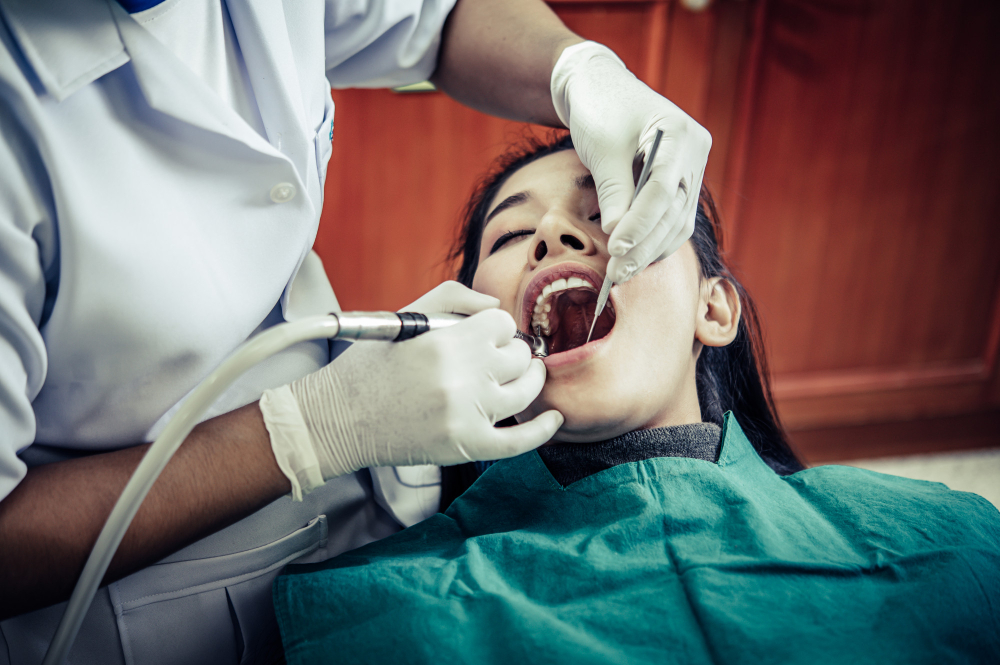
Dentists use several methods to diagnose dental caries. First, they will ask about your symptoms and dental habits. Next, they will examine your mouth and teeth. Often, dentists use a small mirror and probe to check for soft spots or holes. In many cases, dental X-rays are used. X-rays can show cavities that are not visible to the eye. This helps the dentist find caries between teeth or under fillings. Early diagnosis makes treatment easier and more effective.
Treatment Options for Dental Caries
Treatment for dental caries depends on how severe the decay is. Your dentist will suggest the best option for you. Here are some common dental caries treatment options:
After treatment, regular check-ups help keep your teeth healthy. Your dentist will guide you on the best care for your situation.
Prevention Tips and Lifestyle Guidance
Preventing dental caries is possible with good habits. Here are some simple ways to protect your teeth and avoid tooth decay causes:
In addition, teaching children good oral care early can help prevent dental caries for life. Small changes in your daily routine can make a big difference.
Conclusion
Dental caries are common, but you can prevent them with the right care. Because early action is key, pay attention to symptoms and visit your dentist regularly. For personalized advice on dental caries prevention and treatment, consult a dentist.