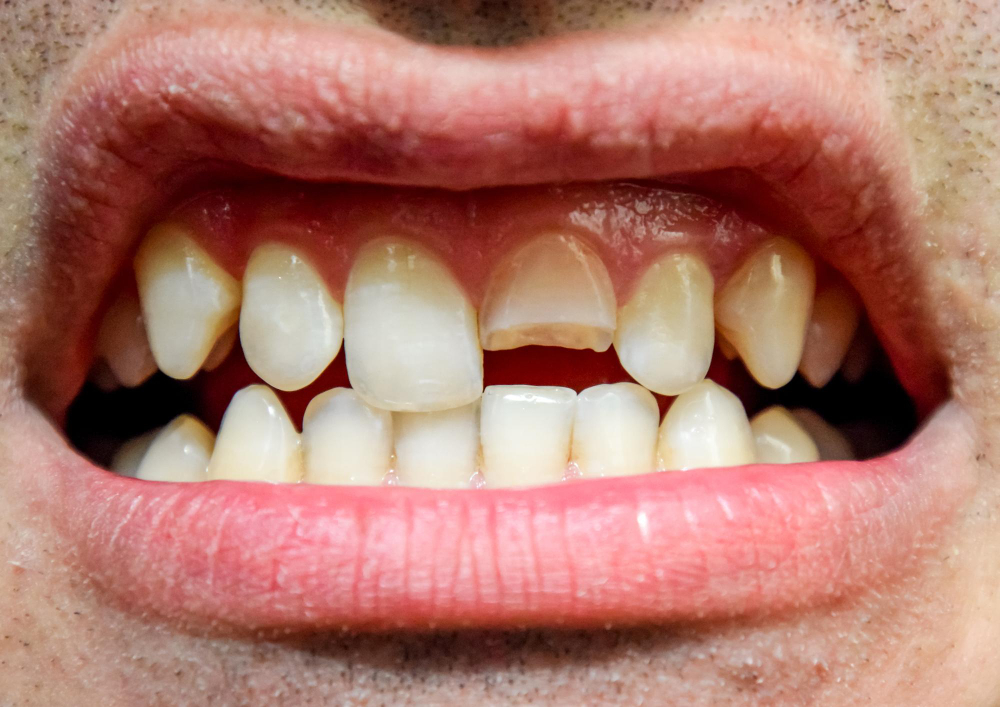
Introduction: What Is a Broken Tooth?
A broken tooth happens when part of your tooth cracks, chips, or splits. This can occur from biting something hard, an accident, or dental decay. Knowing the broken tooth dos and don’ts is important for your dental health. If you act quickly, you can reduce pain and prevent more damage. This guide will help you understand what to do, what to avoid, and when to seek help. We will also share tips to manage pain and prevent future dental emergencies.
Immediate Steps to Take After Breaking a Tooth (Dos)
After breaking a tooth, you may feel scared or worried. However, acting fast can protect your smile. Here are the most important things to do:
These steps can help prevent infection and further injury. According to the American Dental Association, quick action is key in dental emergencies.
Actions to Avoid (Don’ts)
Some actions can make a broken tooth worse. Therefore, it is important to avoid these common mistakes:
By avoiding these actions, you can reduce the risk of further damage or infection.
When to Seek Dental Care
Even if the break seems small, you should see a dentist soon. Sometimes, a broken tooth can lead to infection or tooth loss. For example, if you have severe pain, bleeding that will not stop, or signs of infection like swelling or fever, seek emergency dental care right away. In addition, if you cannot close your mouth or have trouble swallowing, get help immediately. Dentists can repair broken teeth with fillings, crowns, or other treatments. Early care can save your tooth and prevent more serious problems.
Pain Management Tips
While waiting to see your dentist, you may need to manage pain. Here are some safe ways to find relief:
However, do not place aspirin directly on your gums or tooth, as this can cause burns. Always follow your dentist’s advice for pain control.
Prevention Tips for Future Dental Injuries
Preventing dental emergencies is possible with a few simple steps. For instance, you can:
With these habits, you can lower your risk of breaking a tooth in the future.
Summary
In summary, knowing the broken tooth dos and don’ts can protect your dental health. Quick action, avoiding harmful habits, and seeking prompt care are all important. If you break a tooth, follow the steps above and contact your dentist right away. This will help prevent pain, infection, and further damage.
Consult a dentist promptly for personalized care and to prevent further complications.