What Are Dental Implants?
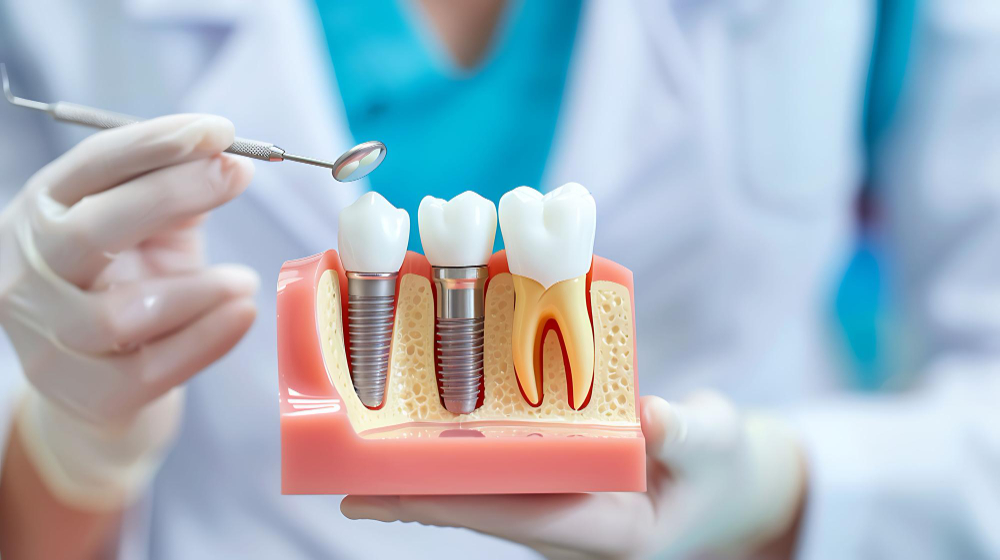
Dental implants are small metal posts placed in the jawbone. They act as roots for missing teeth. Usually, dentists use titanium for these posts. Over time, the bone grows around the implant, holding it in place. Then, a crown or artificial tooth is attached. As a result, dental implants look and feel like natural teeth. Many people choose dental implants to replace one or more missing teeth. According to the American Dental Association, dental implants are a safe and effective option for tooth replacement.
Benefits of Dental Implants
Dental implants offer many advantages over other tooth replacement options. For example, they are strong and long-lasting. In addition, they help keep your jawbone healthy. Here are some key dental implant benefits:
Because dental implants are fixed in place, you do not need to remove them for cleaning. Also, they do not affect nearby healthy teeth.
Who Is a Candidate for Dental Implants?
Not everyone is a good candidate for dental implants. However, many adults can get them. Dentists will check your mouth and health before starting. You may be a good candidate if you:
Sometimes, people need bone grafts before getting dental implants. Your dentist will explain if this is needed. For children and teens, dental implants are usually not recommended until the jaw has finished growing.
The Dental Implant Procedure
The dental implant procedure usually takes several steps. First, your dentist will check your mouth and take X-rays. Next, the dentist places the implant into your jawbone. After that, you will need to wait a few months for the bone to heal around the implant. This process is called osseointegration. Once healed, the dentist attaches an abutment, which connects the implant to the new tooth. Finally, a crown is placed on top. The steps may include:
Throughout the dental implant procedure, your dentist will guide you and answer your questions. In some cases, the entire process can be completed in one day, but most people need several visits.
Risks and Potential Complications
Dental implants are safe for most people. However, like any surgery, there are some risks. It is important to know about possible dental implant risks before starting. These may include:
Most problems are rare and can be treated. Choosing a skilled dentist can lower your risk. According to the American Dental Association, dental implants have a high success rate.
Aftercare and Recovery Tips
Proper dental implant aftercare helps your mouth heal and keeps your implant healthy. After surgery, you may have some swelling or discomfort. However, these symptoms usually go away in a few days. To care for your dental implants, follow these tips:
Because good oral hygiene is important, always follow your dentist’s advice. If you notice pain, swelling, or other problems, contact your dentist right away.
Frequently Asked Questions
How long do dental implants last?
With proper care, dental implants can last many years. In fact, some last a lifetime.
Is the dental implant procedure painful?
Most people feel only mild discomfort. Dentists use local anesthesia to keep you comfortable.
How much do dental implants cost?
Costs vary based on your needs and location. For example, dental implants in large cities may cost more. Ask your dentist for a detailed estimate.
Can anyone get dental implants?
Most healthy adults can get dental implants. However, your dentist will check your health and jawbone first.
Are dental implants safe?
Yes, dental implants are safe for most people. They have been used for decades and are backed by research from groups like the ADA and WHO.
In summary, dental implants are a strong and natural-looking way to replace missing teeth. If you are thinking about dental implants, consult a qualified dentist to find out if dental implants are right for you.